My research explores how people interact with complex data across immersive, spatial, and collaborative environments. I develop visualization and interaction techniques that help users perceive, navigate, analyze, and communicate data beyond conventional 2D screens. My work is organized around six connected directions: immersive visualization as the core environment, spatial interaction as the interaction foundation, cross-reality systems as the bridge across devices and spaces, collaborative exploration as the social dimension, accessible visualization as the inclusivity goal, and visual storytelling as the communication layer.
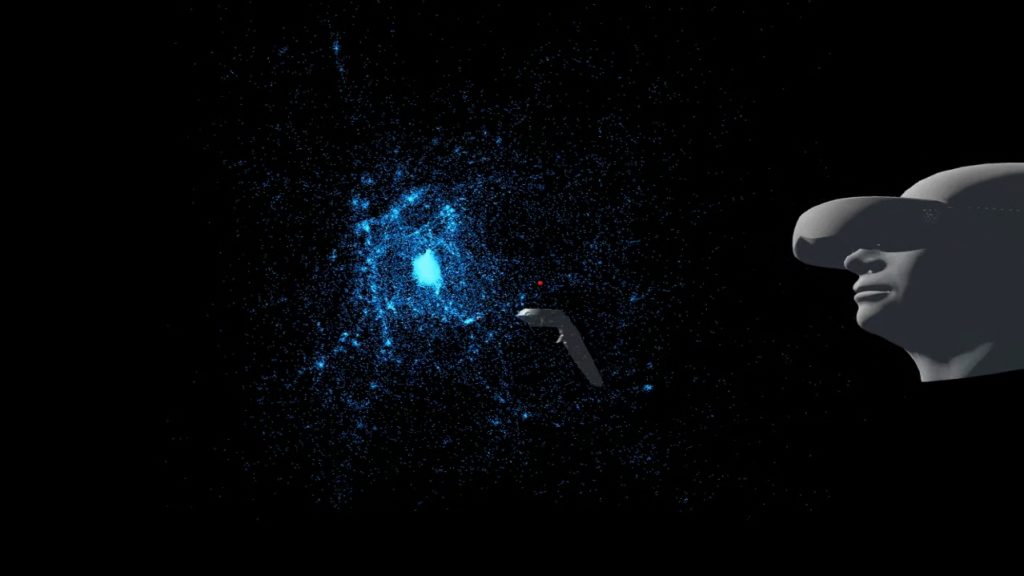
Immersive Visualization
Immersive visualization, including virtual, augmented, and mixed reality, offers engaging and interactive ways for users to explore complex information. By extending data representations beyond the constraints of 2D screens, immersive environments can support richer spatial understanding and more embodied exploration. At the same time, 3D perspective views introduce challenges such as occlusion, depth ambiguity, and potential misinterpretation of visual patterns. Our research develops visualization methods that enhance spatial awareness, reduce visual clutter, and support seamless navigation across multi-scale, abstract, and high-dimensional data representations.
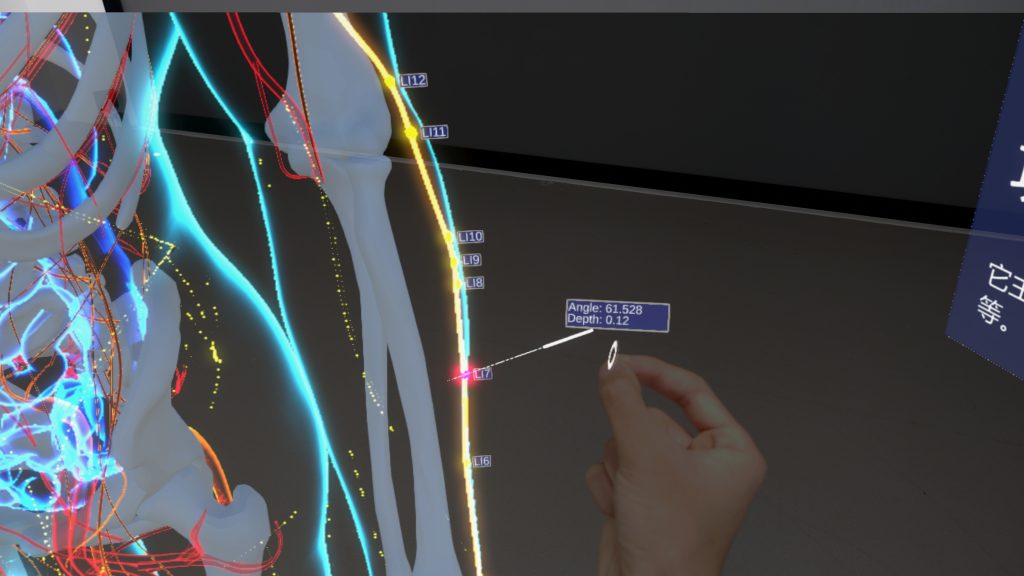
Spatial Interaction Techniques
Immersive environments provide a spatial workspace in which users can move freely, inspect data from multiple perspectives, and interact with information in more natural ways. To fully leverage this capability, our research investigates interaction techniques such as gaze-based selection, mid-air gestures, tangible interfaces, and embodied navigation. We examine how these techniques affect user engagement, precision, workload, and task efficiency in immersive settings. By designing and evaluating intuitive interaction methods, we aim to make immersive data exploration more fluid, expressive, and accessible for diverse analytical tasks.
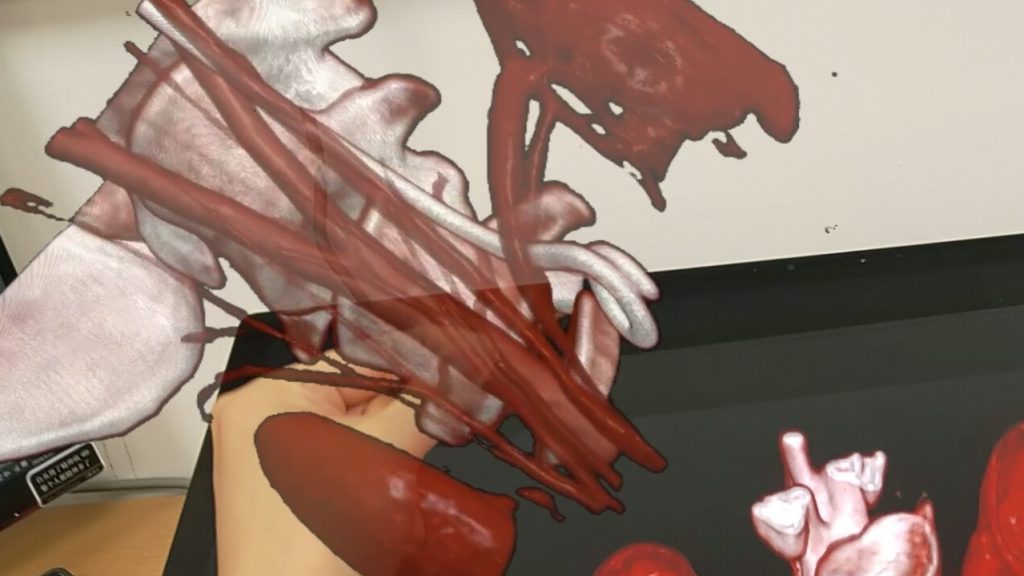
Cross-Reality Visualization and Interaction
Cross-reality visualization and interaction connect physical, augmented, and virtual environments, allowing users to move fluidly across different levels of immersion. These transitions create opportunities for flexible data exploration, but they also require careful coordination of visual representations, spatial references, and interaction modalities. Our research investigates adaptive visualization techniques that preserve spatial continuity and interaction methods that respond to changing devices, contexts, and user needs. By integrating multi-scale visualization, progressive abstraction, and natural interaction, we aim to support intuitive and continuous experiences across realities.
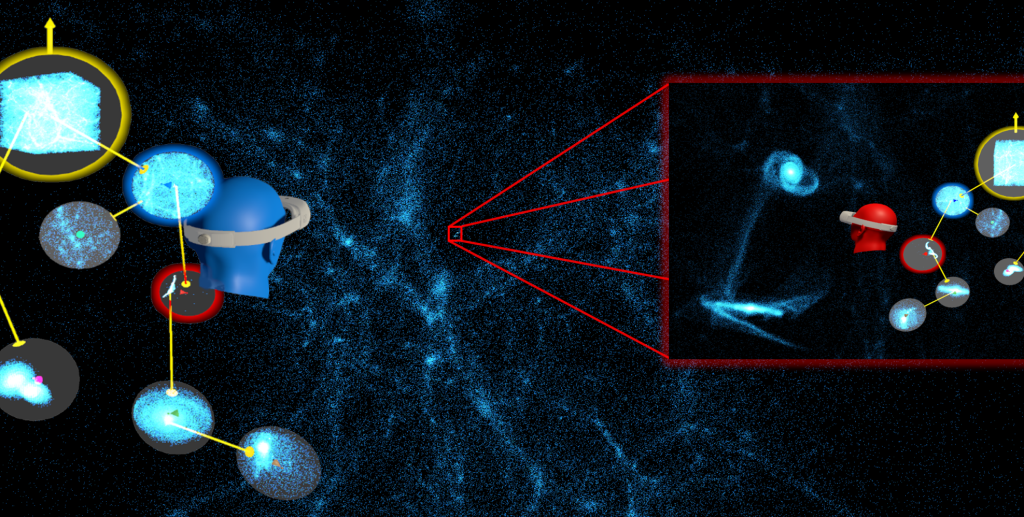
Collaborative Exploration
Collaboration in immersive environments introduces new opportunities and challenges for shared data exploration. Users may need to coordinate attention, exchange interpretations, and balance shared views with individual analytical perspectives. Our research studies how visualization and interaction techniques shape communication, decision-making, and teamwork in collaborative immersive systems. We investigate methods for supporting awareness, role coordination, viewpoint sharing, and synchronous or asynchronous exploration. Through these efforts, we aim to design systems that help users develop both individual insights and a shared understanding of complex data.
Accessible Interaction and Visualization
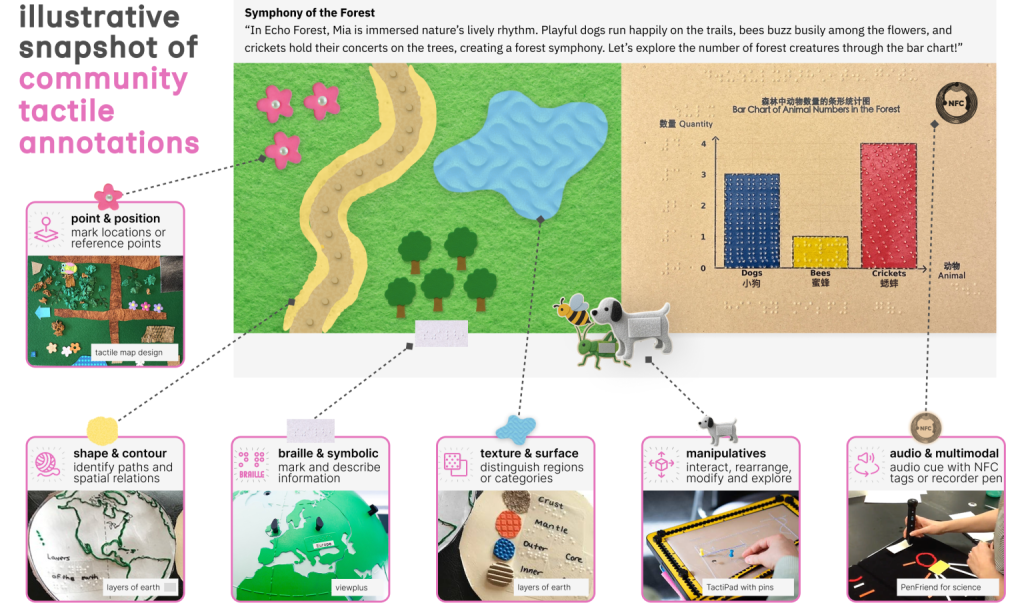
As data becomes increasingly central to everyday decision-making, accessible visualization is essential for ensuring that diverse users can explore, interpret, and communicate information. Traditional visualizations often rely heavily on sight, which can create barriers for users with sensory, motor, or cognitive impairments, as well as those facing situational constraints. Our research develops inclusive frameworks that integrate alternative sensory modalities, adaptive interaction techniques, and customizable data representations. By understanding diverse user needs, we aim to improve access to data analysis, communication, and creation across abilities and contexts.
Visual Storytelling
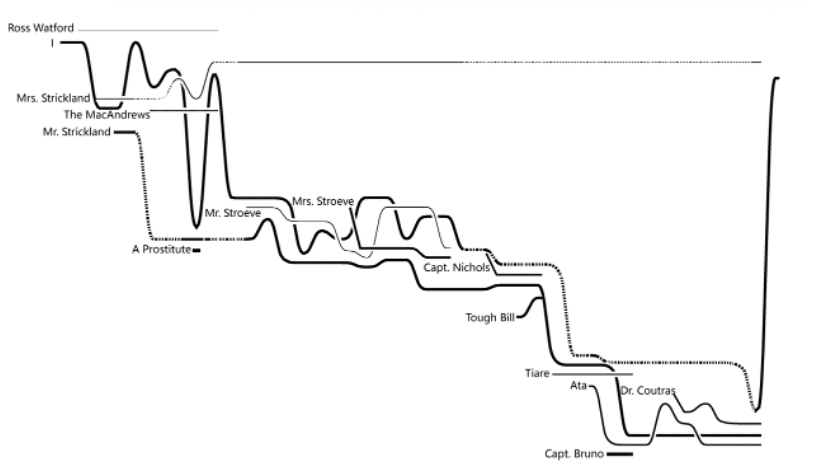
The scale and complexity of data generated by modern imaging and sensing systems continue to grow, creating new challenges for analysis and communication. Domain experts must not only extract meaningful insights from complex data, but also present their findings clearly to broader audiences. Visual storytelling addresses this need by combining data visualization, narrative structure, and interactive presentation techniques. Our research explores how visual stories can help communicate analytical results, guide audience attention, and support explanation, discussion, and knowledge sharing across scientific, professional, and public contexts.